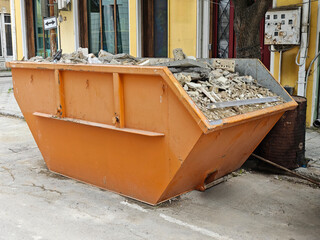
Dumpster rental is a convenient waste management solution designed to handle large amounts of debris that standard trash services cannot accommodate. It is commonly used for home cleanouts, renovations, construction projects, landscaping work, and commercial cleanups. Instead of relying on multiple trash bags or repeated trips to disposal facilities, dumpster rental provides a single, centralized container where waste can be collected and removed efficiently.
Understanding what Dumpster Rental Mount Pleasant is and how it works helps homeowners, contractors, and business owners choose the right option and manage waste responsibly.
Understanding What Dumpster Rental Is
Dumpster rental involves leasing a large waste container for temporary use. The rental company delivers the dumpster to a specified location, where it remains on site for an agreed period. During that time, the customer fills the container with approved waste materials. Once the dumpster is full or the project is complete, the rental company picks it up and disposes of the contents according to local regulations.
Dumpsters come in different sizes and styles depending on the project. The most common types are roll off dumpsters, which are open top containers delivered by special trucks, and smaller front load dumpsters often used for ongoing commercial waste. For temporary projects, roll off dumpster rental is the most widely used option.
The primary purpose of dumpster rental is to simplify waste disposal while keeping the project area clean, organized, and safe.
Why Dumpster Rental Is Necessary
Many projects generate more waste than standard curbside trash pickup can handle. Home renovations, roofing jobs, major cleanouts, and construction projects can quickly overwhelm normal disposal methods. Dumpster rental provides a practical alternative that saves time and effort.
Without a dumpster, waste often piles up, creating safety hazards and clutter. Loose debris can block walkways, attract pests, and increase the risk of injury. Renting a dumpster keeps waste contained and manageable, allowing work to continue efficiently.
Dumpster rental is also beneficial for projects with tight timelines. Having a container on site eliminates delays caused by disposal trips and helps keep projects on schedule.
Common Situations That Require Dumpster Rental
Dumpster rental is used in a wide range of residential, commercial, and industrial situations. Homeowners often rent dumpsters for garage cleanouts, basement cleanups, attic decluttering, and estate cleanouts. Remodeling projects such as kitchen or bathroom renovations generate debris like drywall, cabinets, flooring, and fixtures that need proper disposal.
Construction and roofing projects rely heavily on dumpster rental. Shingles, wood, metal, and concrete are heavy and bulky materials that require specialized disposal. Landscaping projects also produce large amounts of yard waste, soil, and tree debris.
Businesses use dumpster rental for office relocations, renovations, warehouse cleanouts, and retail buildouts. Demolition projects, whether residential or commercial, depend on dumpsters due to the volume of waste produced.
Types of Dumpsters Available for Rental
Dumpster rental companies offer different types of containers to suit various needs. Roll off dumpsters are the most common choice for temporary projects. These are large, rectangular containers with open tops and a swinging door on one end, making them easy to load.
Front load dumpsters are typically used for ongoing commercial waste needs. These are serviced on a regular schedule and are not usually rented for short term projects.
Some companies also offer specialty dumpsters designed for heavy materials or recycling. Choosing the right type depends on the project size, duration, and type of waste involved.
Dumpster Sizes and How to Choose the Right One
Dumpsters are measured in cubic yards, which indicate how much material the container can hold. Smaller dumpsters are suitable for minor projects, while larger dumpsters are used for extensive cleanouts or construction work.
Choosing the right size is important to avoid overfilling or unnecessary costs. A dumpster that is too small may fill up before the project is complete, requiring additional pickups. A dumpster that is too large may result in paying for unused capacity.
Rental companies often help customers choose the appropriate size based on the project type, expected debris, and weight considerations. Heavy materials can reach weight limits quickly, even if the dumpster is not full.
How Dumpster Rental Works Step by Step
The dumpster rental process is straightforward and designed for convenience. It begins with contacting a rental provider and explaining the project. The provider helps determine the appropriate dumpster size and rental duration.
Once details are finalized, delivery is scheduled. On the delivery date, the rental company brings the dumpster to the specified location using a specialized truck. The dumpster is placed carefully to ensure accessibility and stability.
The customer fills the dumpster during the rental period. When the project is complete or the dumpster is full, pickup is scheduled. The rental company returns to collect the dumpster and transports the waste to a disposal or recycling facility.
This process eliminates the need for the customer to handle waste transportation, saving time and effort.
Where the Dumpster Can Be Placed
Dumpsters are usually placed on private property such as driveways, parking areas, or construction sites. The placement should allow easy access for loading and for the delivery truck.
In some cases, placing a dumpster on a public street or sidewalk may require a permit. Local regulations vary, and rental companies can often advise on permit requirements.
Protecting the surface under the dumpster is also important. Placing boards or plywood beneath the container can prevent damage to pavement or concrete.
What Can and Cannot Go Into a Dumpster
Most dumpster rentals allow a wide range of materials, including household junk, furniture, construction debris, wood, drywall, roofing materials, and yard waste. However, there are restrictions to ensure safe and legal disposal.
Hazardous materials such as chemicals, paint, oil, batteries, asbestos, and medical waste are typically prohibited. Electronics, tires, and appliances with refrigerants may also require special handling.
Rental companies provide clear guidelines on acceptable materials. Following these rules helps avoid extra fees, delays, or environmental violations.
Rental Periods and Flexibility
Dumpster rental periods vary depending on the provider and project needs. Short term rentals may last a few days, while longer projects may require dumpsters for several weeks.
Flexibility is one of the advantages of dumpster rental. Customers can often extend the rental period if the project takes longer than expected. Clear communication with the rental company helps avoid additional charges.
Scheduling delivery and pickup to align with the project timeline ensures efficient waste management.
Cost Factors in Dumpster Rental
The cost of dumpster rental depends on several factors. Dumpster size, rental duration, location, and type of debris all influence pricing. Weight limits are also important, as exceeding them can result in overage fees.
Some rentals include disposal costs in the base price, while others may charge separately based on weight. Understanding pricing details upfront helps customers budget accurately.
Reputable rental companies provide transparent pricing and explain potential additional fees before the rental begins.
Environmental Responsibility and Waste Disposal
Dumpster rental companies play an important role in responsible waste management. After pickup, waste is taken to disposal facilities where recyclable materials may be separated and reused.
Many companies aim to reduce landfill waste by recycling materials such as metal, wood, and concrete. Some projects may benefit from using multiple dumpsters to separate recyclable materials.
Choosing a rental provider that prioritizes responsible disposal supports environmental sustainability.
Safety Tips for Using a Dumpster
Using a dumpster safely is essential. Dumpsters should not be overfilled, as debris extending above the sides can create hazards and prevent pickup. Weight should be distributed evenly to maintain stability.
People should not climb into dumpsters, and prohibited materials should never be placed inside. Keeping the area around the dumpster clear improves safety and accessibility.
Following safety guidelines ensures a smooth rental experience and prevents accidents.
Who Benefits Most From Dumpster Rental
Dumpster rental benefits a wide range of users. Homeowners appreciate the convenience during major cleanouts or renovations. Contractors rely on dumpsters to manage construction debris efficiently. Businesses use dumpster rental to support renovations, relocations, and large cleanups.
Anyone dealing with large amounts of waste can benefit from dumpster rental as a practical and time saving solution.
Final Thoughts on Dumpster Rental and How It Works
Dumpster rental is a simple yet powerful solution for managing waste during projects that generate more debris than standard trash services can handle. By providing a centralized container, professional delivery, and responsible disposal, dumpster rental saves time, improves safety, and keeps projects organized.
Understanding what dumpster rental is and how it works allows homeowners, contractors, and businesses to plan effectively and avoid unnecessary stress. With the right size, proper placement, and a reliable rental provider, dumpster rental becomes an efficient and hassle free part of any project.