East Texas Mulching is one of those tasks that can seem deceptively simple but plays a key role in garden health and aesthetics. It keeps weeds out, moderates soil temperature and helps build soil quality over time.
However, if mulch is applied incorrectly, it can actually harm plants and cause problems for the soil. Here are a few common mulching mistakes to avoid.
Too Much Mulch
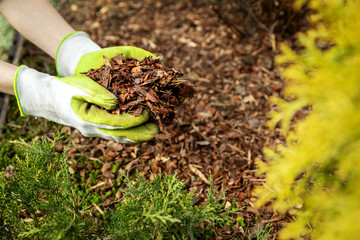
Mulching is a great way to conserve soil moisture, moderate soil temperatures, reduce weeds and other unwanted growth and help protect trees from damage caused by lawnmowers or weed trimmers. However, too much mulch can cause serious problems for your plants.
For example, a thick layer of mulch can suffocate roots by preventing them from absorbing enough oxygen. It can also rob the soil of nitrogen as it decomposes, creating nutrient deficiencies that can be especially problematic for young or delicate plants. And if the mulch is piled against the base of a tree or shrub, it can promote rot and even kill the plant.
For this reason, it is important to regularly check and refresh the layer of mulch. This is particularly important after a heavy rain, or after a significant snowfall. It is also a good idea to use mulch that contains wood products such as bark or shredded leaves, rather than hay or compost, which tend to break down faster and can leave the soil with less available nitrogen.
Not Taking Your Soil Type Into Account
Mulching is one of the most important gardening tasks when it comes to improving soil quality and garden health. It helps suppress weeds, moderates soil temperature, and prevents erosion. However, if mulch isn’t applied correctly, it can damage plants or inhibit growth.
For instance, mulch piled up against the base of trees and shrubs can hold moisture against the bark, creating an environment that’s ripe for rot and disease. To prevent this, spread the mulch out in a doughnut shape around the plant’s base and keep it at least 2-4 inches away from the trunk.
It’s also a good idea to clear the area of weeds and debris before applying mulch. Otherwise, they’ll grow through the mulch and may be harder to pull later on. Also, if the area has already been mulched before, a light rake can be used to fluff up and break down the old mulch, which will improve the soil underneath. This is especially beneficial when planting new beds in spring or fall.
Piling Mulch Around the Base of Trees
Putting mulch right up to the base of trees or plants is a common mistake that can harm them. Mulch should be left several inches away from the trunks of trees, allowing for the fine absorbing roots to take in oxygen. If these roots are suffocated, the tree may eventually die.
The best type of mulch to use for this purpose is organic material, such as wood chips or shredded bark, compost, leaves or a combination of these. Inorganic materials like landscape fabric, gravel and stone should be reserved for walkways and playgrounds, or used in areas far away from shrubs and trees.
When applied properly, mulch can moderate soil temperature and protect plantings during the winter. It can also provide soil aeration, fertility and drainage as well as weed control. However, if mulch is not applied correctly, it can actually harm plants and promote disease, insects and rot. It can even kill them. That’s why it is important to learn more about the common mulching mistakes that can hurt your shrubs and trees.
Applying Mulch Too Early in the Spring
Mulching is a great way to protect your garden beds from the cold, but it can also harm or even kill some plants if it’s done incorrectly. By learning the common mulching mistakes to avoid and following these smart gardening tips, you’ll help ensure that your soil is healthy, and your flowers and shrubs are thriving this spring.
If you apply mulch too early in the spring, it can suffocate and inhibit the soil warming process. It can also trap moisture against the base of a tree or plant, which could lead to rot and disease.
Ideally, you should wait until after the ground has warmed and before weeds are beginning to grow to mulch your gardens. A layer of 2-3 inches is ideal for most beds, as it will prevent weeds from germinating without blocking too much sunlight. Also, avoid using fresh wood chips in the spring, as they can rob the soil of nitrogen as they decompose and hinder nutrient availability for delicate or young plants. Instead, use well-aged wood chips or organic compost for sensitive areas.
Applying Mulch Too Late in the Spring
Mulch is an important part of a healthy garden and helps to conserve moisture, prevent weed growth, moderate soil temperature, and add organic matter. However, it’s important to understand how and when to use mulch. For example, mulch should be applied in the fall or spring after the ground has warmed a bit and before the summer heat sets in. Mulching too early can trap cold moisture and delay the emergence of plants, while mulching too late can hinder plant growth or even kill them.
It is also important to avoid piling mulch up against plant stems and trunks, as this can lead to excess moisture retention that can rot or cause disease. Instead, spread mulch evenly around the base of a plant and leave a small gap around its stem or trunk to allow for airflow and prevent suffocation. Additionally, be sure to fluff the mulch regularly to improve aeration and prevent compaction.
Applying Mulch Too Thinly
Mulch is a great way to promote healthy soil and protect your plants. It insulates roots, regulates the temperature of soil and helps with weed control. It also prevents frost damage, conserves water and nutrients and can help keep plants hydrated. However, mulch must be spread at the right thickness to ensure it is beneficial. Mulch that is too thick can suffocate your plants and cause root rot and pest issues. Mulch that is too thin will allow weeds to push through and can lead to moisture build-up which can also cause problems.
When mulching, it is important to avoid the common mistake of piling mulch up against tree trunks and stems. This practice, known as “volcano mulching,” can lead to disease and rot. Instead, spread the mulch out in a doughnut shape around the base of the plant. It is also important to not apply the mulch too close to the ground, as this can create a thatch effect and limit airflow and water absorption.
Applying Mulch Too Deep
Mulch provides many benefits, including conserving soil moisture, suppressing weeds, and improving soil structure, aeration, and fertility over time. However, mulch can also harm plants if it is applied too thickly or at the wrong time. A layer of mulch that is too thick can create a dense, matted surface that blocks out sunlight and prevents plant roots from getting the oxygen they need. This can lead to root rot and stunted growth.
A layer of mulch that is too deep can also promote the growth of wood-eating fungi that decompose organic matter and reduce soil aeration. Additionally, the excessive heat generated by rapid organic matter decomposition can burn roots and damage or even kill trees.
Another common mistake is applying mulch too close to the trunks of trees and shrubs. This practice, known as “volcano mulching,” keeps the tree base constantly moist, interfering with cambium and phloem respiration and encouraging moisture-loving organisms like canker fungi and root rot. The best practice is to keep the mulch layer no more than 2-4 inches away from the base of the plant.
Applying Mulch Too Often
Mulching is a valuable gardening task that improves soil quality over time and helps retain moisture levels, regulate temperature, suppress weeds and improve garden aesthetics. But it’s easy to get it wrong. When mulch is applied incorrectly, it can harm plants, change the soil pH, rob the ground of nutrients and attract pests.
One of the most common mulch mistakes is piling on too much. This can suffocate the roots and prevent water and air from getting to them. Instead, aim for a layer about 2-3 inches deep.
It’s also important to avoid using too many different types of mulch. For example, hardwood barks can make the soil too alkaline (basic), which can lead to nutrient deficiencies in acid-loving plants like rhododendron and azaleas. Alternatively, try using a compost or leaf-based mulch that doesn’t rob the soil of nitrogen.