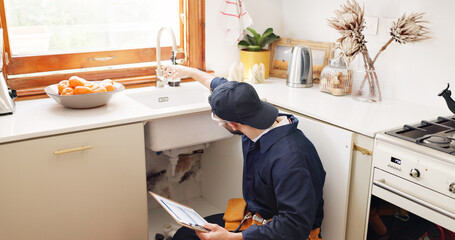
Home Inspector New Braunfels, TX assess the condition of homes, flagging issues that need further evaluation by a specialist. They don’t perform the repairs themselves — that would violate industry standards and open them up to liability.
Contractors are licensed professionals who repair, renovate, and build homes. They’re responsible for ensuring that any work they perform meets local and state building codes.
Electrical
A home inspector’s job is to review a property’s overall condition and look for signs of trouble. They’ll comb through every detail of the property, checking for issues with the foundation, plumbing, HVAC, safety features, windows and doors, insulation, and electrical systems.
While most of these issues won’t be a deal-breaker, they will alert buyers to any potential problems that need to be addressed. They may recommend a professional be called in to address the issue before finalizing the sale.
An inspector will also check for the presence of smoke and carbon monoxide detectors. They’ll test them to make sure they are working properly, and will examine the vents and chimneys for any sign of leaks.
Home inspectors will also take a close look at the home’s wiring to assess its age and whether it meets modern standards. They’ll use specialized tools to measure circuit current flow and check for any damage or hazards. This is especially important in older homes, where the risk of fire is higher due to outdated or damaged wiring. Inspectors will also look for GFCI outlets (ground fault circuit interrupters), which are required in moisture-heavy areas like kitchens and bathrooms, to prevent electrical shock.
Depending on the inspection, some electrical issues might need to be repaired before a home can be sold. For example, older homes often have aluminum wiring, which is a major fire hazard and should be replaced with copper to reduce the risk of fire. Rewiring a home can be expensive, and it’s not always possible to do the work in a single day. For this reason, buyers should be prepared to negotiate a price decrease or credit on the home’s purchase to help cover the cost of any necessary repairs.
Plumbing
A home inspector’s job is to examine a property’s structural integrity, exterior and interior. This includes looking at the plumbing, HVAC, roof and electrical systems. In addition to ensuring that they’re functioning properly, inspectors also note any damage or signs of wear and tear.
When it comes to the plumbing, home inspectors look for leaks, corroded or outdated pipes and fixtures. They’re also going to check that the water heater works and the drains in the bathroom and kitchen are clear of obstructions. Inspectors will even look at the sprinkler system if there is one and the fireplace.
While most of the plumbing issues a home inspector finds are minor, some can be major red flags. Leaky faucets, for example, can lead to water damage and toxic mold that’s costly to repair. The same goes for rusty, old or broken pipes that can lead to water leaks or even sewage leaks.
In addition, the inspection may find that some piping is made of polybutylene plastic (PB), cast iron or galvanized steel, which are more likely to corrode than copper piping. While it’s not always necessary to replace these aging pipes, buyers should consider the pros and cons of upgrading to modern materials like PEX or copper.
Inspectors will also note any rotted wood in the attic or wooden floor joists that could jeopardize the structure of the home. It’s important that homeowners and remodelers don’t cut into these joists, as it can cause problems later on such as wall cracks or unstable floors.
Heating & Air Conditioning
Home inspectors are on the lookout for heating, cooling and ventilation systems that don’t work well, are nearing the end of their suggested lifespan or are displaying signs of damage. They’ll also comb through walls, ceilings and the roof to make sure that there aren’t structural issues that could lead to costly repair bills in the future.
If they find any problems, it’s up to you as the seller whether or not you want to make repairs before listing your property. Most buyers won’t want a long list of repairs to complete before they can enjoy their new home, so it’s worth discussing with your REALTOR(r) how you want to handle this part of the process.
For example, if an inspector notes that a home has corroded plumbing lines, they’ll recommend the removal and replacement of these pipes to prevent water leaks and other serious problems down the line. They’ll also look at things like the age of a home’s water heater and check for signs that it has been leaking or running excessively.
While there are no legal requirements for a homeowner to make repairs after a home inspection, there may be situations in which a buyer’s lender requires that the seller address certain issues in order to complete financing. If a seller isn’t willing to make requested repairs, it’s possible for the buyer to back out of the deal without losing their earnest money.
Exterior
Home inspectors often begin their examination with a look at the exterior. This helps them understand how the home is protected against the elements and, in turn, protects and enhances its value and structural integrity.
Exterior inspections typically cover a wide range of elements, including the roof, foundation, doors, windows, walkways and landscaping. Inspecting the condition of a chimney is also part of the process, as it may be a fire hazard if not properly maintained.
In the case of windows, home inspectors are looking to see if they’re insulated and sealed correctly. They’re also inspecting if they’re Thermopane or vinyl, and if there are screens on them. In addition, the inspector is examining the exterior for signs of damage such as chipped paint or water penetration at the joints.
While a home inspector will not necessarily flag a problem that could be considered a deal-breaker for the buyer, he or she will likely point out items that need to be fixed before moving in. This is because these issues will likely impact the buyers’ quality of life and can lead to expensive repairs if not addressed.
For example, a buyer will likely ask that the inspector note any trip hazards in the yard, like cracked sidewalks and steps, or safety concerns on balconies, such as wood rot and loose railings. Additionally, an inspector will check for a proper ground slope to prevent drainage problems, such as rainwater pooling near the foundation of the house or overflowing gutters. Home inspectors will also evaluate retaining walls to make sure they are stable and not leaning or sagging. They’ll also examine the surrounding vegetation for a negative ground slope that might send water toward the house, as well as checking for safety hazards on fences and trellises.
Interior
A home inspector’s role is diagnostic, not corrective. That’s the job of licensed contractors, who perform repairs and renovations based on their expertise in specific trades, such as electrical work, plumbing or general construction. They also follow strict local and state building codes to ensure their work is safe.
During a home inspection, inspectors are on the lookout for potential safety hazards. This could include anything from a crack in the driveway to a lack of smoke and carbon monoxide detectors. In addition, they’ll note any issues that need to be addressed for the house to pass a building code inspection or meet insurance requirements.
It’s important to remember that a home inspector is not a contractor, and they should never give repair estimates. This could lead to conflicts of interest, as well as misunderstandings between real estate agents and buyers.
A home inspector may be able to suggest possible solutions or a timeline for completing the necessary fixes, but they’ll not be able to do the work themselves. This is where a good rapport with a trusted contractor can help.
Home inspectors should be careful not to overstate the age of a home’s systems and structures. For example, a rusty sink or old oven that may need to be replaced isn’t necessarily dangerous, but it might require a professional installation to ensure safety and proper function.
It’s also not a home inspector’s responsibility to speculate on health and safety issues, such as the presence of mold, asbestos or radon. These are things that must be tested professionally, and home inspectors should encourage homeowners to get this testing done. This is especially important because a buyer’s lender can require certain health and safety repairs be made before a sale closes.